

Major sporting events and domestic abuse: Understanding the risks and strengthening prevention
For most people, sport is a positive force that promotes connection, pride and wellbeing. However, research has consistently shown that major sporting events can also coincide with increased levels of domestic abuse, creating additional risks for victim-survivors and greater demand on support services.
Understanding this relationship is essential for public services, safeguarding professionals, community organisations and employers seeking to protect people during high-profile sporting periods.
What does the research tell us?
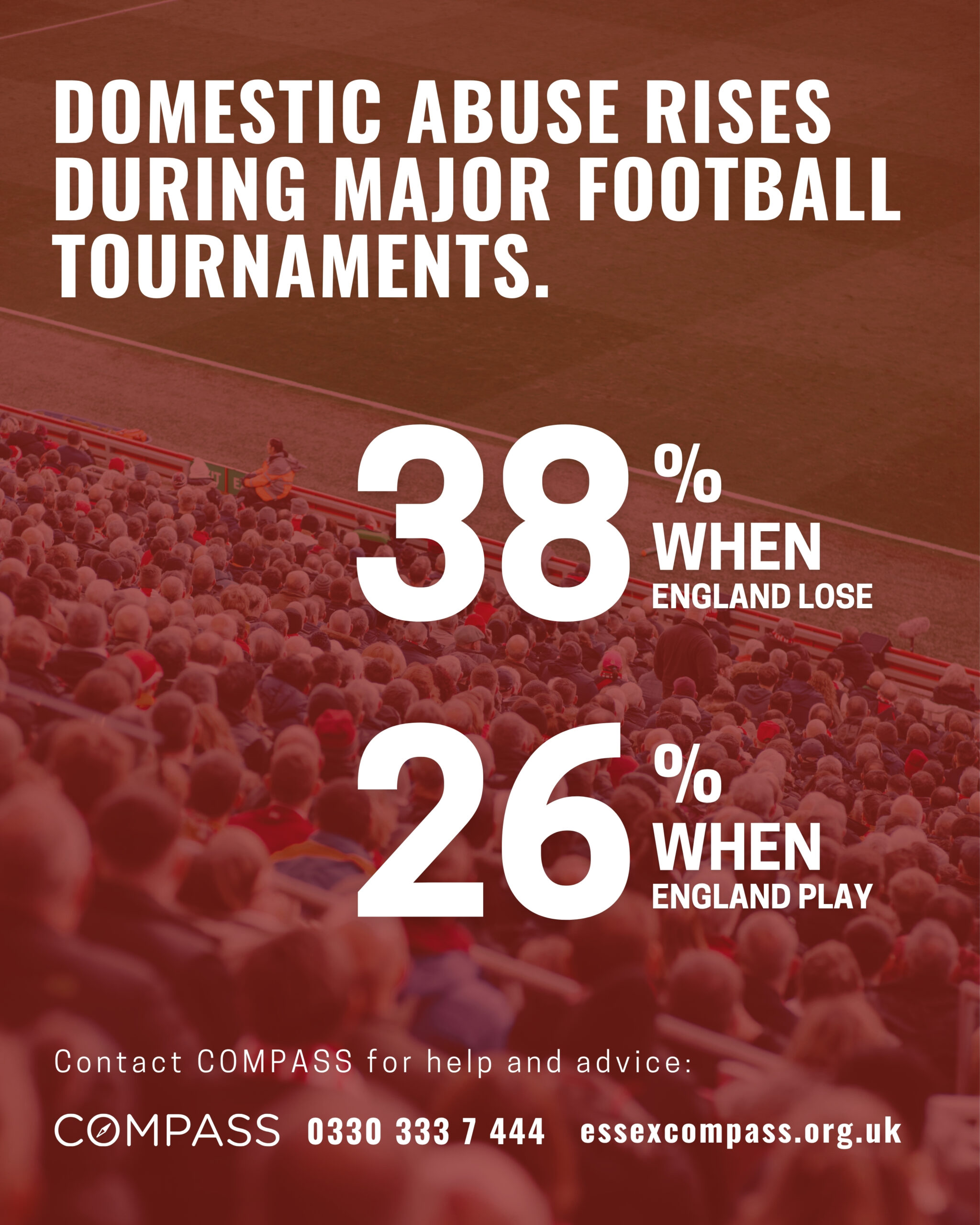
- Research from Lancaster University examining domestic abuse incidents reported during FIFA World Cup tournaments, found significant increases in reported abuse linked to England matches. The study identified a 26% increase in reported domestic abuse incidents when England won or drew, and a 38% increase when England lost. Reports also increased in the days immediately following matches. The research suggests that the issue is not simply about losing.
- A 2024 study by the London School of Economics, using Greater Manchester Police data, found that football matches can influence when and how often domestic abuse occurs, with incidents peaking around eight to ten hours after a match.
While attention often focuses on abuse during or immediately after matches, risk doesn’t end at full time. Incidents can happen later at night, particularly as people return home, and when victim-survivors may be more isolated.
The following day can also be a difficult time, with behaviour sometimes minimised, denied, or excused. This can make it harder for victim-survivors to seek support and for others to recognise the seriousness of what has happened.
The case of Amanda McAlear highlights how football can, in some instances, act as a trigger for abuse, with risk increasing around matches and their aftermath. Tragically, she was killed by her partner after returning home from a football match.
Why do sporting events increase risk?
It is important to be clear that sport does not cause domestic abuse. People choose their behaviour. Domestic abuse is rooted in patterns of power, control and coercive behaviour. Evidence suggests that sporting events can act as triggers that escalate existing abuse rather than creating new abusive behaviour.
Sporting events can create conditions that increase risk. Research highlights several contributing factors:
- Increased alcohol consumption before, during and after matches. Alcohol is often part of major sporting events and celebrations. While alcohol does not cause abuse, it can increase the risk of harm by lowering inhibitions, amplifying emotions such as anger, disappointment, or frustration, reducing the ability to manage conflict safely.
- Heightened emotions linked to anticipation, victory or defeat and gambling
- A change in daily routine with longer periods spent at home or in social settings where alcohol is present.
- Existing abusive behaviours being intensified by stress or frustration
- Cultural attitudes that can normalise aggression or harmful expressions of masculinity.
The impact on victims and families
For victim-survivors, major sporting events can be periods of heightened anxiety.
Children are also affected, either through direct exposure to abuse or by witnessing it within the home. The impact can be long-lasting, affecting emotional wellbeing, educational outcomes and future relationships.
NSPCC analysis found that during the 2018 World Cup, helpline contacts about domestic abuse increased by 33% compared to the monthly average, demonstrating the wider impact these events have on families. Under the Domestic Abuse Act 2021, children are recognised as victims in their own right, not just witnesses, meaning the harm they experience is taken seriously.
Preparation and support
We all have an important role in prevention, awareness and support.
Domestic abuse services, police forces, health providers and safeguarding partnerships can use evidence from previous tournaments to anticipate periods of increased demand and ensure appropriate staffing and resources are available.
Employers should recognise that members of their workforce may be affected by domestic abuse. Managers should be aware of support pathways and create opportunities for confidential conversations where appropriate. Read our A good practice guide – how organisations can support employees experiencing domestic abuse.
If you’re enjoying the games, a simple check-in with someone you care about can make a real difference. And if something doesn’t feel right, trust your instincts and seek support.
Be supportive and non-judgmental: Let them know you are there for them. Listen without judgment and believe what they tell you.
Know your rights – Clare’s Law
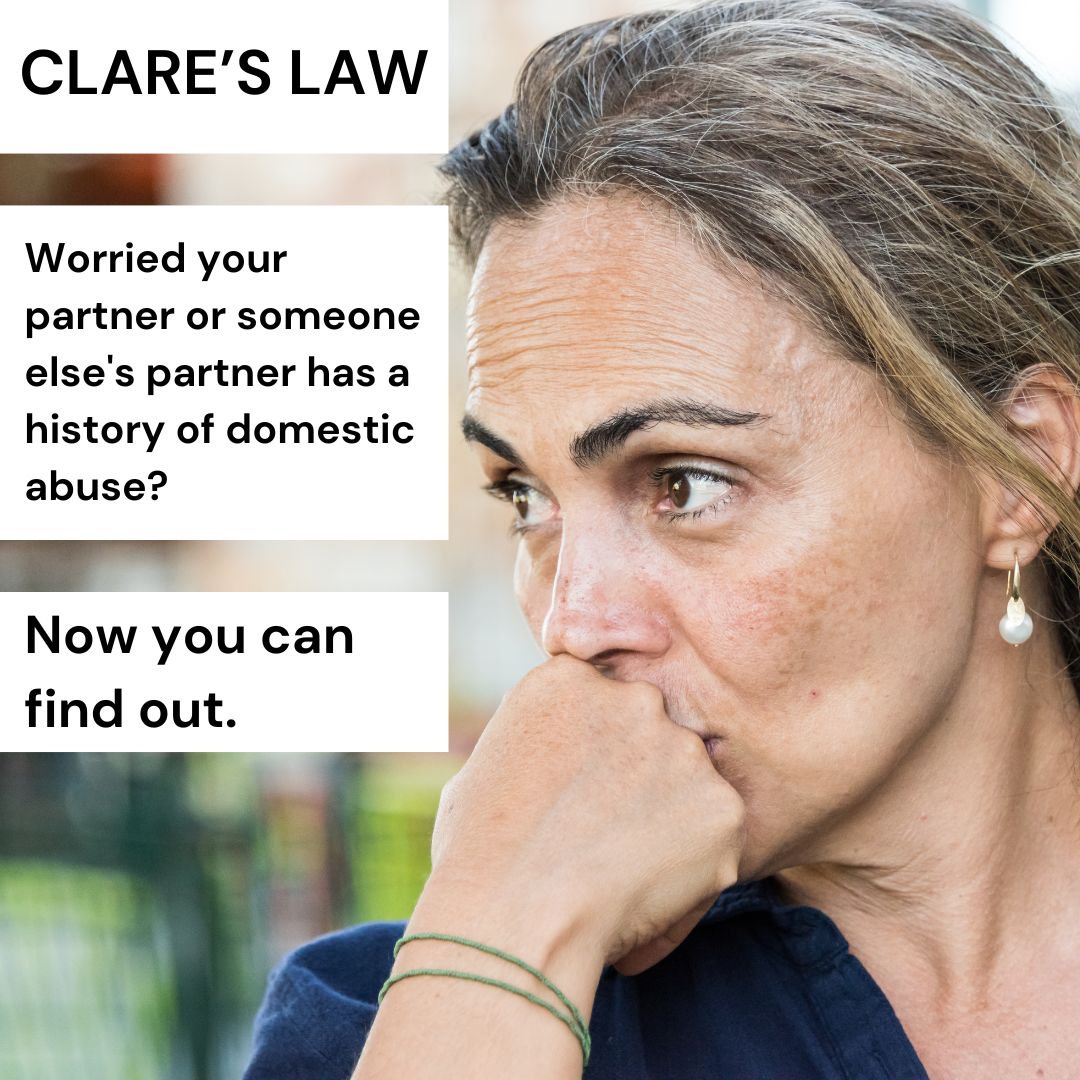
Clare’s Law (the Domestic Violence Disclosure Scheme) gives people the right to ask if a partner has a history of abusive or violent behaviour.
You can:
- Apply yourself if you are worried about a partner or ex-partner
- Apply on behalf of a friend or relative you are concerned about
This scheme is named after Clare Wood, who was killed by a former partner with a known history of violence.
To find out more, visit the Essex Police website.
Support is available for you
You are not alone. Support services across Essex are available throughout the tournament period and beyond. You can reach out for help even if you are unsure whether what you are experiencing is abuse.
While tournaments come and go, support is always available. It’s important that conversations about safety and respect in relationships continue beyond the final whistle.

Whether you’re worry about yourself, someone you know, or your own behaviour, Essex Compass, the domestic abuse helpline for Essex, can offer help and advice, call 0330 333 7 444 or visit their website for more information
Anyone with any concerns about the welfare of a child can call the NSPCC Helpline on 0808 800 5000 or email help@nspcc.org.uk.
If you are in immediate danger, always call 999.
Raising Awareness
Public campaigns during major tournaments can help increase awareness of domestic abuse services and encourage people to seek help. Messaging should make clear that abuse is never acceptable and that support is available from Compass.
Current campaign:

World Cup 2026 campaign, developed with The Next Chapter and the wider partnership, encouraging organisations to share domestic abuse messages using #AbuseOffside and promote support. A poster and social media resources are available to download from the SETDAB website along with our behaviour change campaign #REFLECT
Sources
- Kirby, Francis and O’Flahery (2014), Can the FIFA World Cup Football Tournament Be Associated with an Increase in Domestic Abuse?
- Forsdike et al. (2022), Major Sports Events and Domestic Violence: A Systematic Review
- Journal of Public Economics (2024), Football, Alcohol, and Domestic Abuse
- Lancaster University – World Cup football is a risk factor for domestic violence